Tailor-Made South Korea Holidays



South Korea Holidays
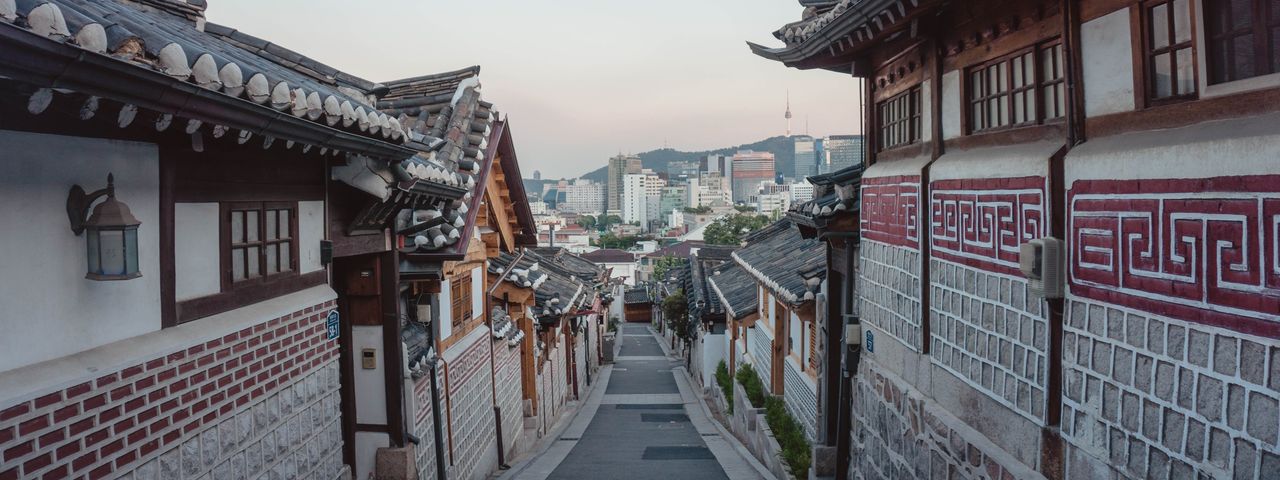
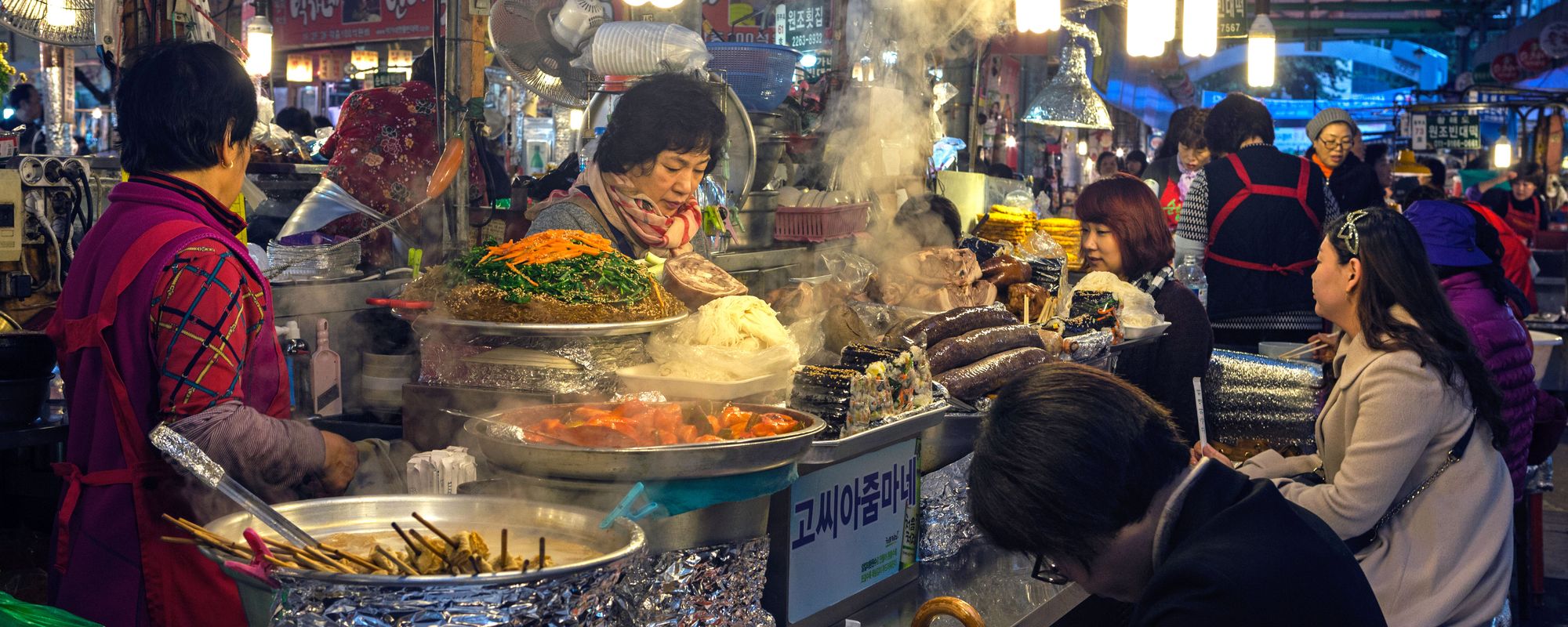
South Korea rises ever higher on travel horizons, with everything from kimchi to K-Pop taking the world by storm. We love the fiery intensity of its cuisine every bit as much as its historic temples, mist-clad mountains, remote archipelagos, tranquil rice paddies and neon-lit cities.
South Korea’s many highlights mean that it’s increasingly seen as a fantastic stand-alone destination, no longer always needing to link with Japan, although we can’t deny that they do make a fabulous pair for a multi-country trip. Frequent flights and ferries connect the two, and seeing these comparable countries in one trip brings every enticing similarity and difference into vibrant focus.
Whether you’re keen to dive right into the cultural kaleidoscope of Seoul, discover the colourful seaside rhythms of Busan, or head into the hills and National Parks for some spiritual serenity, South Korea is entering its peak as one of Asia’s foremost travel destinations.
Two’s company
On paper, South Korea and Japan seem to share several intriguing cultural crossovers. However, when seen side-by-side, it's each country’s distinctive complexities that stand out. Although both countries have intense foodie cultures, South Korea’s cuisine is full of spice and heat, whereas Japan’s traditional dishes favour subtler flavours. In both countries, a famously energetic and edgy popular culture sits alongside gentler traditions, but with completely different outcomes. It’s a ‘perfectly imperfect’ partnership!

Tranquillity, temples and tradition
The cloistered life of a Buddhist monk is one that few outsiders ever experience. The heightened awareness, serenity and composure that the monks achieve by following their chosen path is evident, but many details of their daily routines remain a mystery. Staying overnight in a South Korean Buddhist temple, waking with the monks before dawn and taking meals together, gives you an immersive taste of monastic life that will stay with you.

Take a soak
Not dissimilar to Japanese onsen, South Korean jjimjilbang bath houses have many rules and etiquettes to follow, but offer excellent opportunities to relax among locals. The shared pools and saunas typically include a range of temperatures and themes, such as different minerals, hot and cold tubs, and some that are outdoors (it is especially lovely to sit in a warm outdoor spa pool while it’s raining). Strip off, scrub up, and adopt a ‘when in Rome’ attitude, and you’ll find they’re a sublime way to unwind.

Visit the DMZ
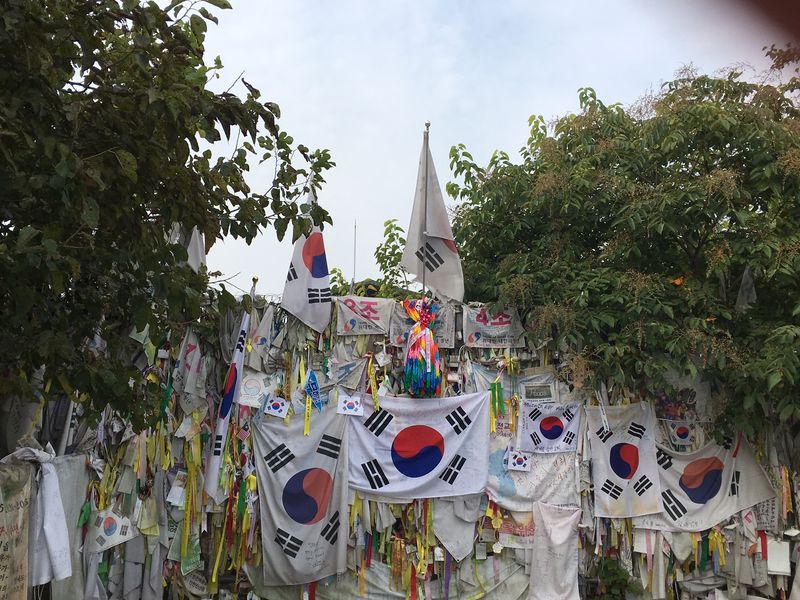
The elephant in the room on any visit to South Korea will always be the infamous tensions between the country and its immediate neighbour, North Korea. In the borderlands between the two lies an eerie expanse of controversial territory: the Demilitarised Zone. The air is thick with the weight of its history, and the memory of those who have lost their lives in conflict. A visit to the DMZ gives you the opportunity to understand a little more about this region’s constantly developing story.